
This article may contain affiliate links.
High-mileage vehicles spend more hours on the road. More miles mean higher chances of wear and something wrong to happen. That margin is particularly thin for fleet managers. Connected vehicle safety systems help close the gap by giving operators live visibility into what their vehicles and drivers are doing. That visibility matters most when vehicles are clocking thousands of miles each month. Here is why these systems earn their place in serious fleet operations.
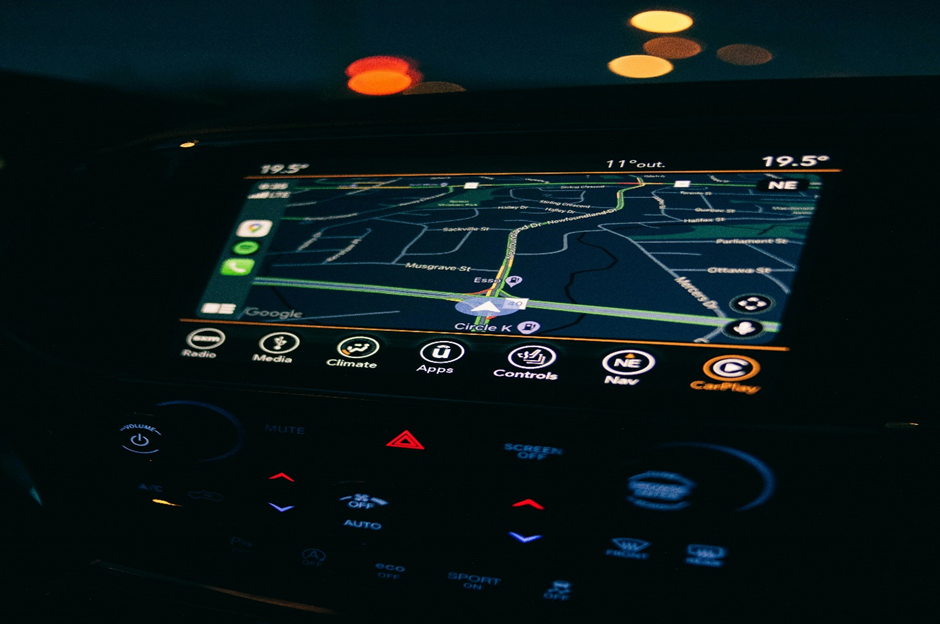
1. Connected Systems Improve Vehicle Uptime and Reliability
A vehicle sitting in a shop is one not making money. Unplanned breakdowns are one of the biggest operational costs for fleets working at high mileage, but connected systems help prevent them. Modern telematics platforms track engine diagnostics, mileage and fault codes. They also record service intervals and reduce unplanned maintenance. They achieve this through monitoring engine hours and other critical parameters.
Fleet managers can foretell maintenance needs before they become urgent by reviewing that data. They also get alerts on low oil pressure or coolant issues before they cause a breakdown. That change from reactive to predictive maintenance is becoming the gold standard for firms that want to improve vehicle uptime and safety.
Catching a fault early can be the difference between a quick repair and an expensive roadside failure. Tying every vehicle on a connected platform also means managers can have a full picture at once rather than waiting for drivers to report problems. This is particularly true for vehicles running at high daily mileage. The result is lower running costs and better overall reliability across the fleet.
2. They Support Better Driver Accountability and Coaching
Driver actions have a direct effect on vehicle wear, fuel costs and accident risk. Connected systems give fleet managers reliable insights to monitor staff behaviors before they cause problems.
For instance, driver monitoring systems (DMS) capture speeding, harsh braking and rapid acceleration. Managers use them to analyze distraction patterns alongside driving behavior and operating conditions. These let them identify patterns associated with increased risk earlier in the driver lifecycle. That means coaching conversations are built on facts and not guesswork.
A good fleet vehicle camera system takes this further. Dual-facing cameras record both the road and the driver. This lets fleets identify risky behaviors and provide important evidence for traffic incidents and dangerous road conditions.
The FMCSA states that the average cost of a commercial truck crash involving injuries is over $320,000. Good video footage protects fleet management companies from unfair claims and supports legitimate ones. Also, adoption improves and safety culture strengthens across the fleet when drivers understand the camera is there to watch and protect them.
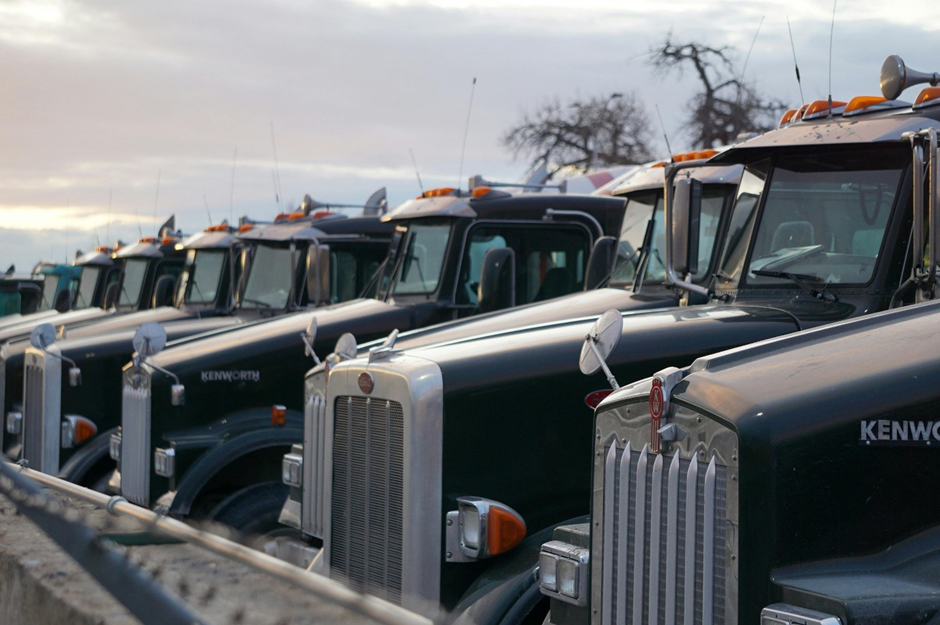
3. They Help Fleets Adapt to Modern Transportation Demands
Fleet laws are more complicated today than they were a decade ago. The growing pressure to meet emission targets and compliance standards, and customer expectations for timely delivery, introduce layers of challenges. Connected systems help fleets keep up. For example, an electronic logging device ensures transportation firms meet road regulations. They also streamline tax filing and mileage tracking. These enable companies to secure rebates and fuel tax credits while avoiding costly fines.
Connected platforms also support sustainable route optimization and fuel monitoring. Live location tracking and automated vehicle health alerting allow managers to plan smarter routes to avoid congestion and optimize fuel economy. That operational insight is essential for fleets working toward reaching emission targets and remaining within the hours-of-service limits.
Logistics companies investing in connectivity now will be better equipped to meet tomorrow’s compliance and operational demands. That is majorly true as NHTSA continues to develop its AV STEP framework and safety regulations evolve.
Endnote
Connected vehicle safety systems are not optional for high-mileage fleet operations. They are important moving parts that improve vehicle and driver reliability, and keep logistics companies compliant in a changing regulatory environment. The information these components generate allows managers to make faster and better decisions each day. As vehicle complexity increases and transportation demands grow, fleets that run blind are running behind.
