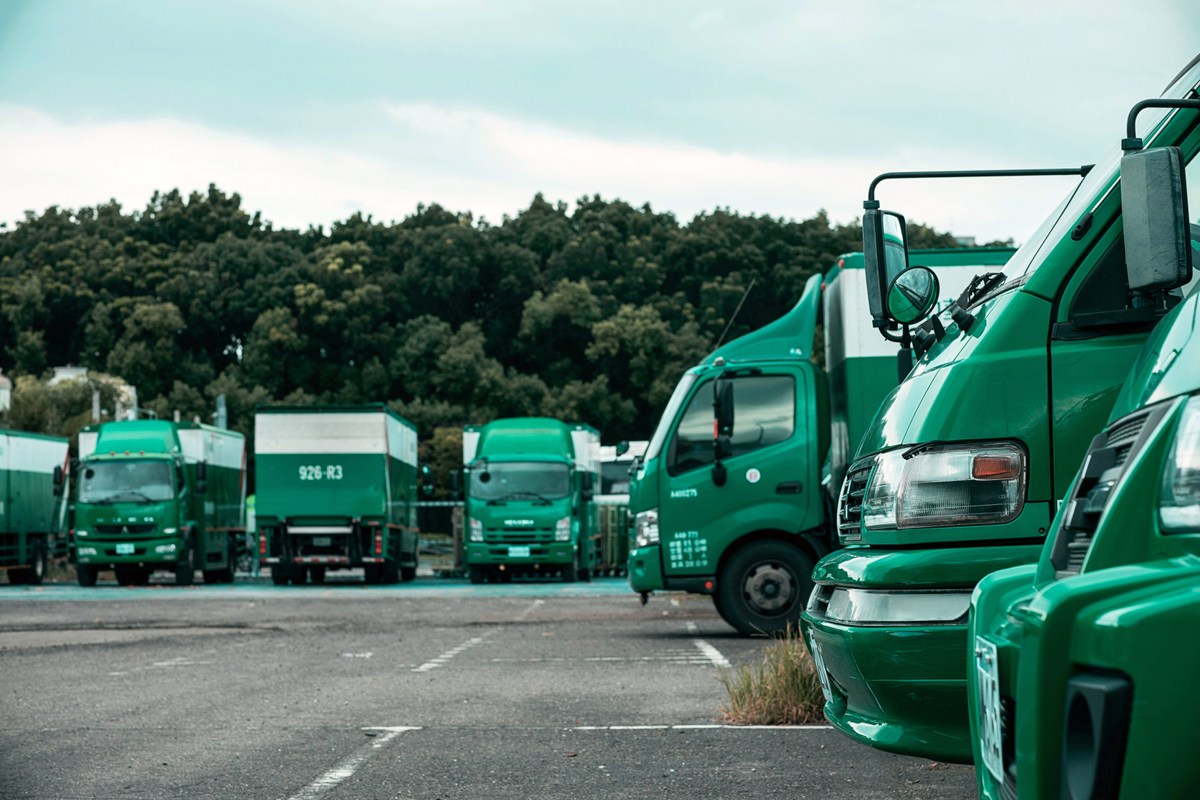
Managing Financing Costs for Commercial EV Fleets
Electrifying a commercial fleet can reduce fuel use and change long-term maintenance costs, but the financial case depends heavily on how vehicles and charging infrastructure are funded.

Electrifying a commercial fleet can reduce fuel use and change long-term maintenance costs, but the financial case depends heavily on how vehicles and charging infrastructure are funded.
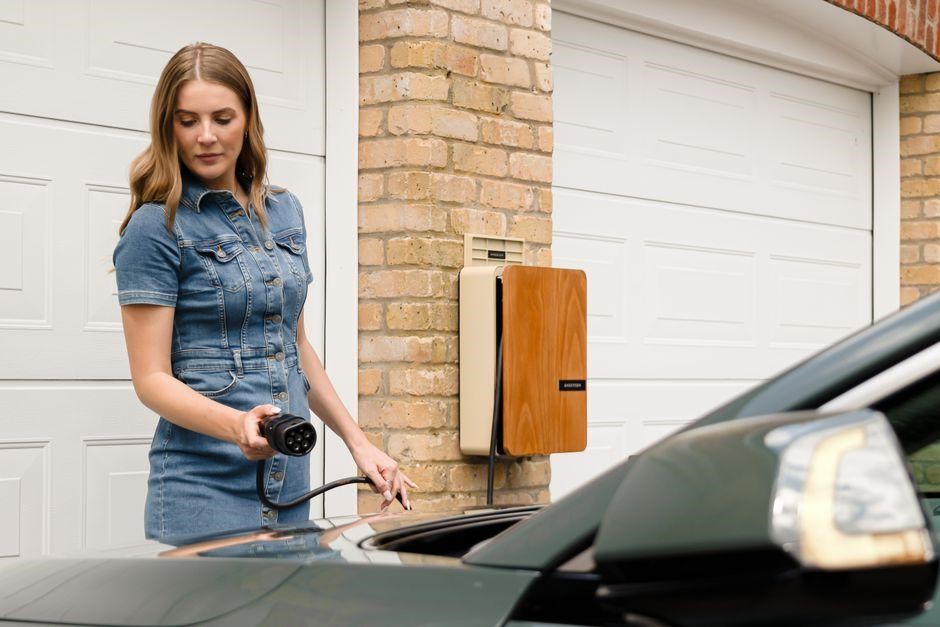
Home EV charger installation involves electrical assessments, permit requirements, charger selection and—in some cases—panel upgrades. Getting these decisions right from the start saves time, money and headaches down the road.

These technologies promise to revolutionize how people move, creating transportation systems that are not only greener but also more efficient, equitable and responsive to citizens’ needs.
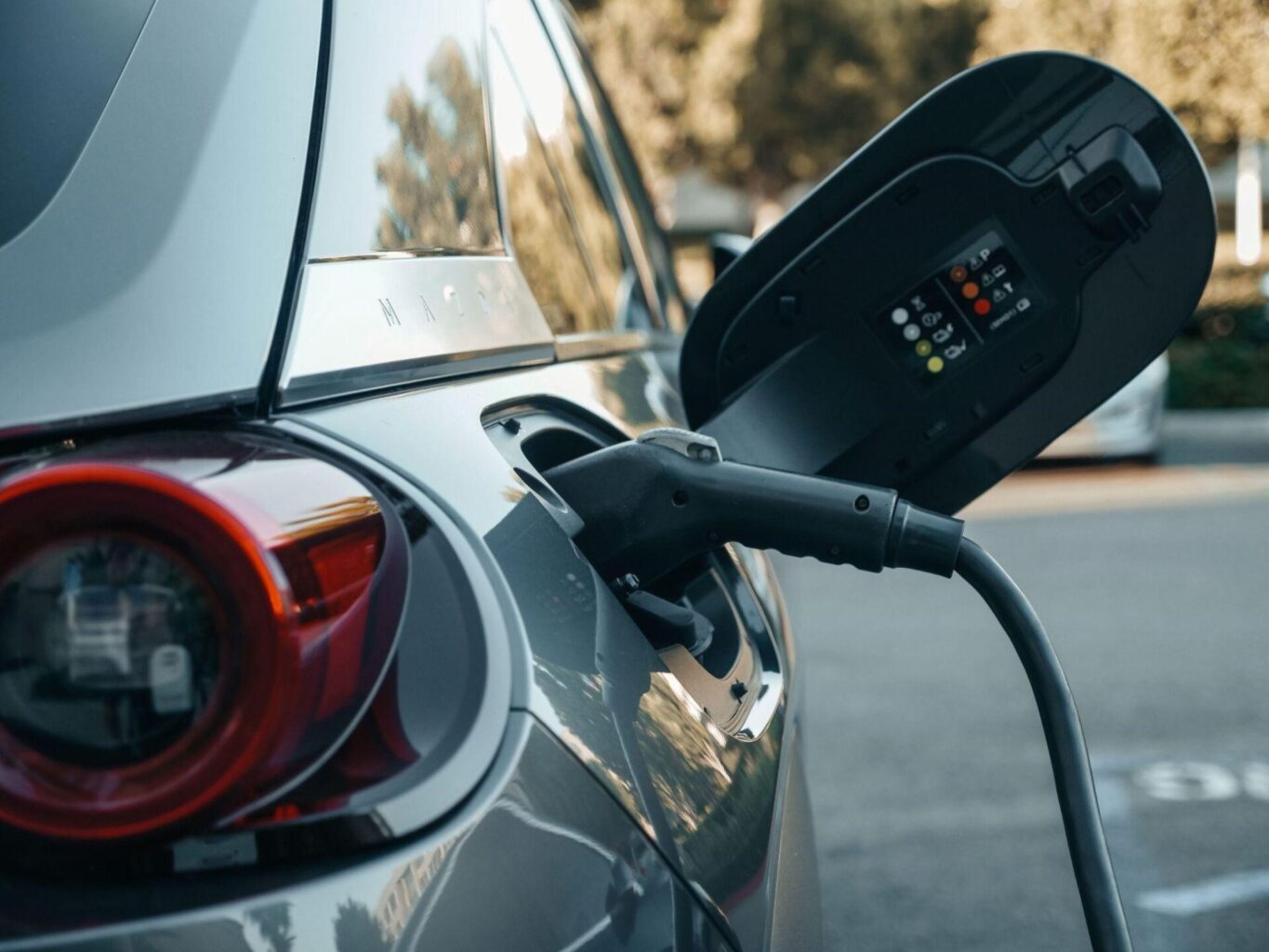
The EV businesses pulling ahead right now aren’t just building better vehicles. They’re building an ecosystem of partners around those vehicles.

If you are driving an electric vehicle or plug-in hybrid, heavy traffic turns route planning into a genuine safety issue.

Fleet managers who get burned by winter relocations usually made the call in isolation, treating each vehicle move as its own decision instead of checking it against a season and a map.
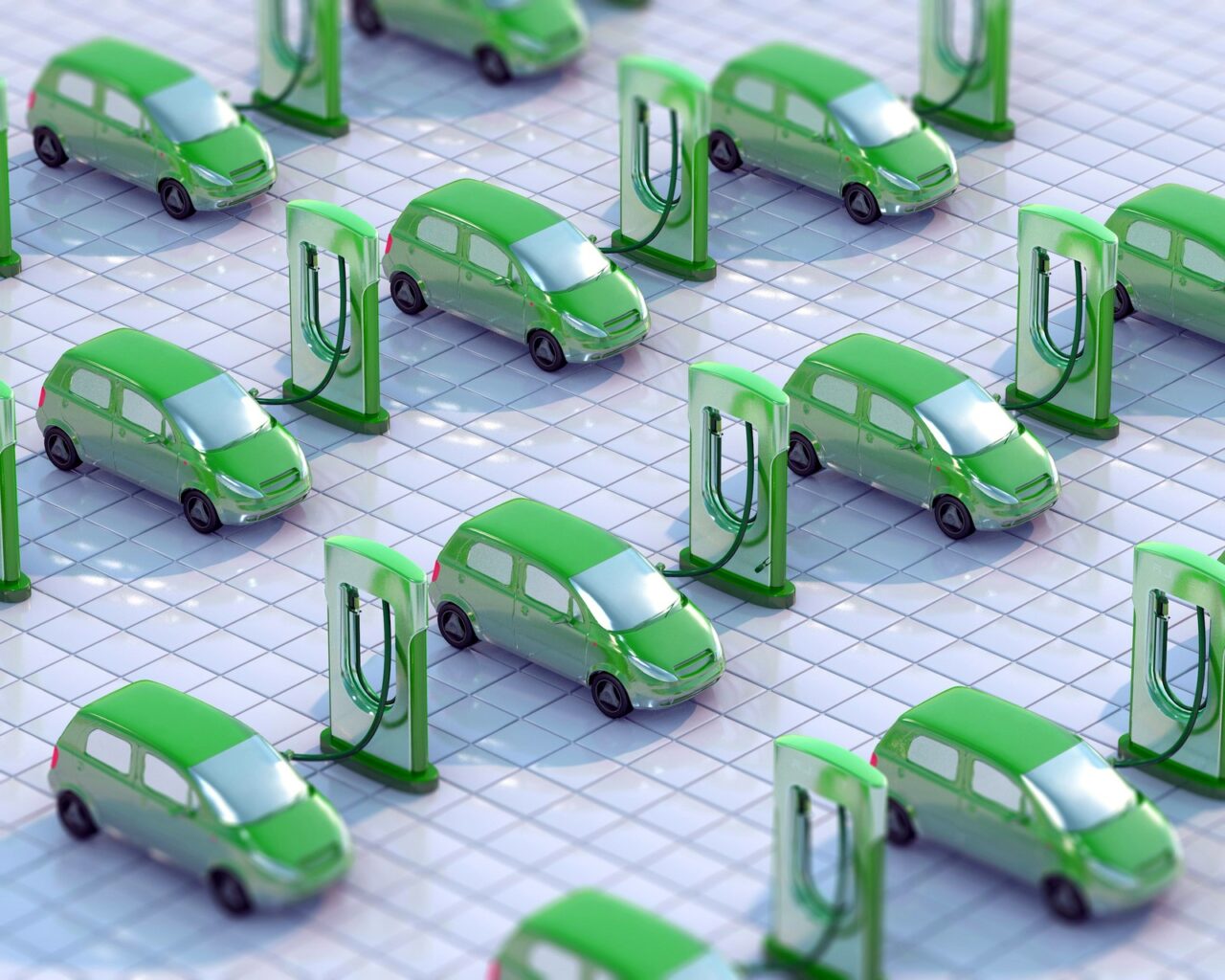
While replacing internal combustion engines with electric alternatives promises significant emissions reductions, the process introduces its own ecological challenges.

Converting brownfield sites into EV charging hubs addresses environmental cleanup while supporting the shift to cleaner transportation.
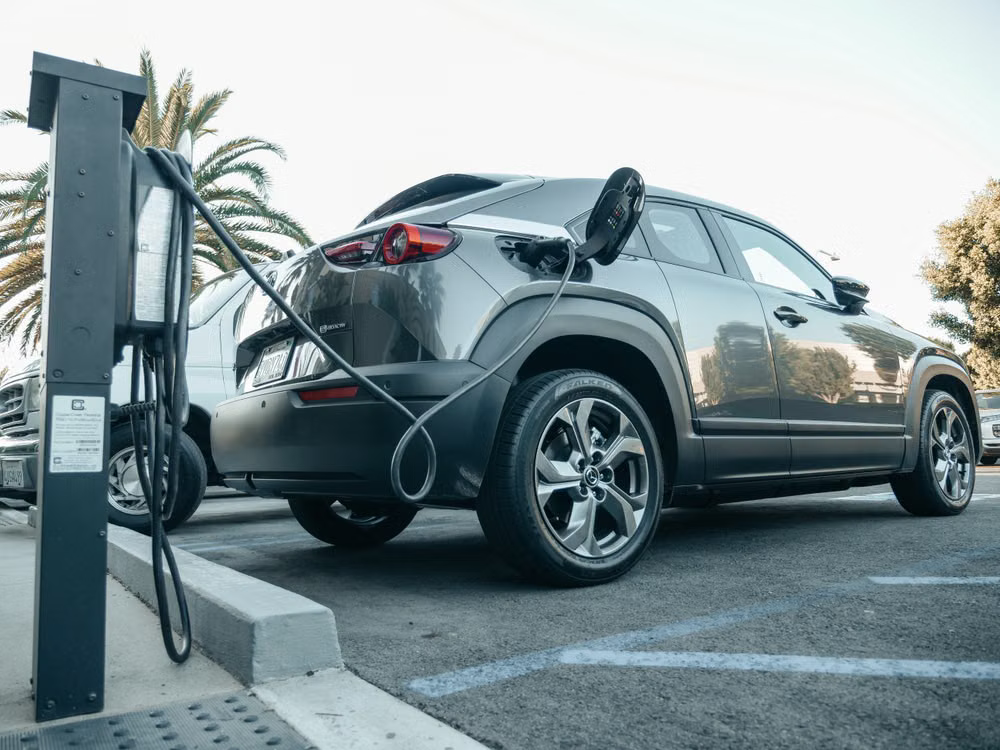
Sustainability rules increasingly demand measurable proof. For companies with fleets, that means showing how EV adoption changes emissions totals, reporting controls and governance structures in ways that stand up to scrutiny.
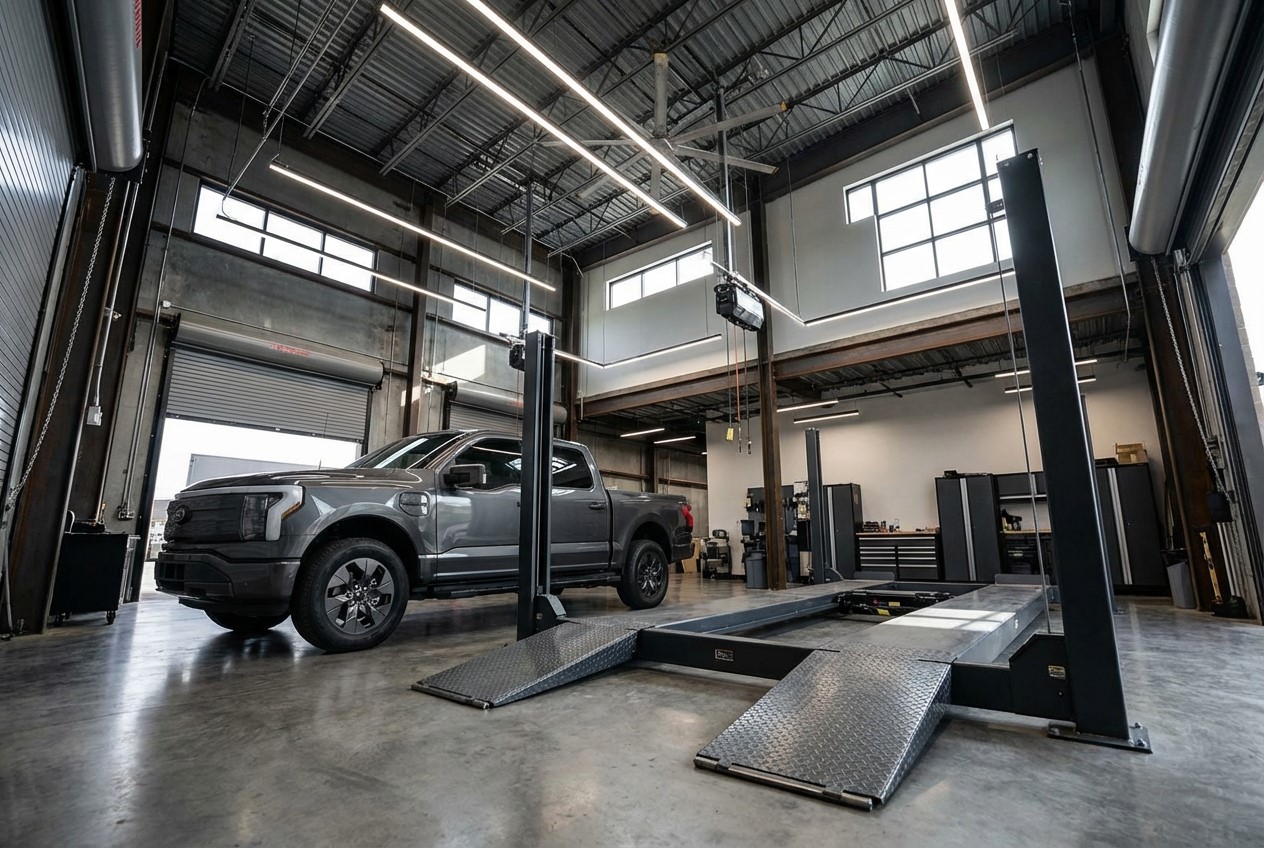
This article may contain affiliate links. Preparing an EV garage setup requires evaluating ceiling and floor strength, planning a strategic home charging layout, creating safe … Read more